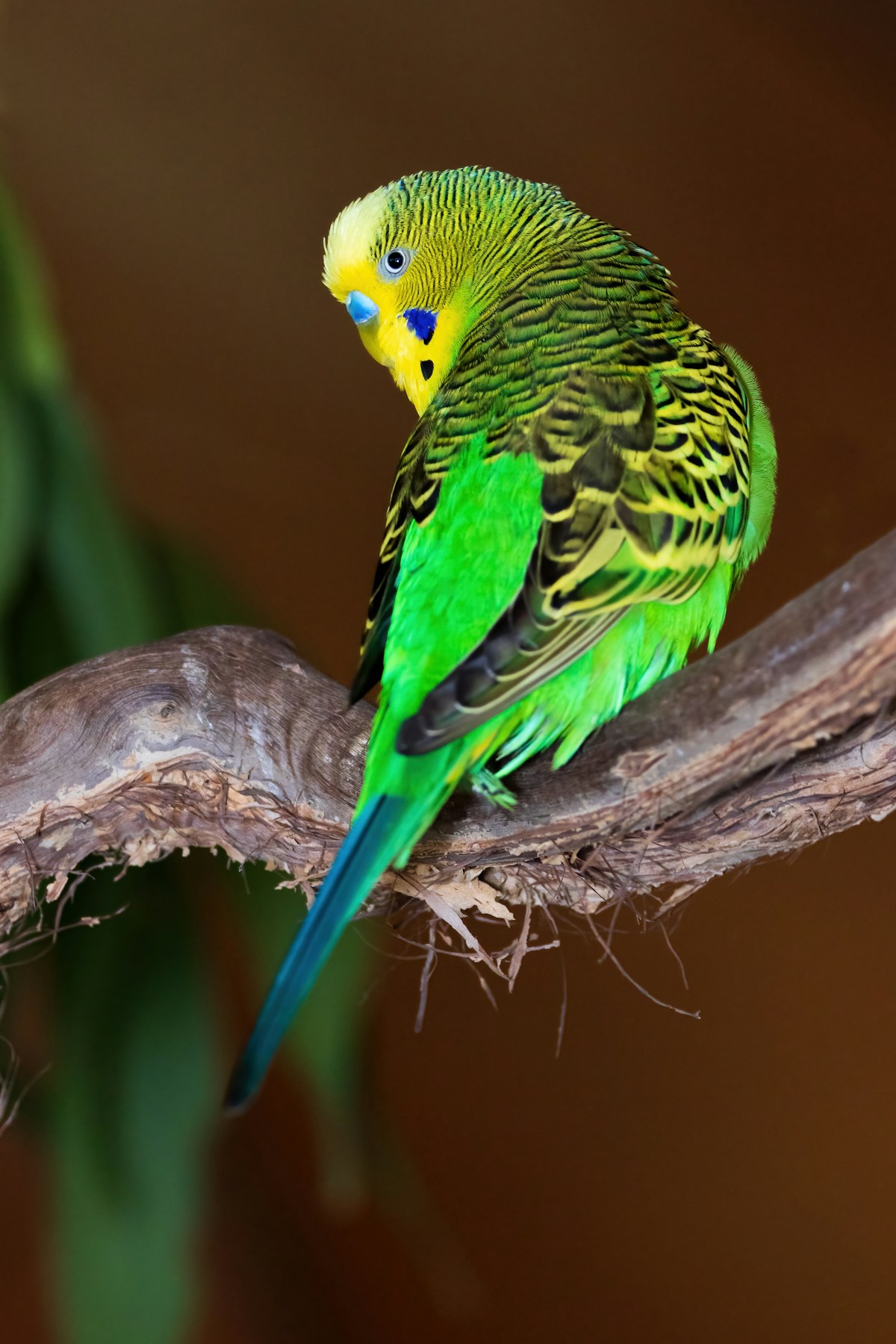
Birds are prey animals, and prey animals survive by never looking weak. A wild bird that shows illness gets picked off by a predator, so over millions of years they evolved to mask sickness until the very last moment. The hard consequence for owners is this: by the time a small bird "looks sick," it has often been unwell for days and the situation is urgent. Knowing the specific warning signs, and acting on them quickly, is the most important health skill a bird owner can build.
Read the Droppings Every Day
Droppings are the single most useful daily health readout you have, which is why we glance at the cage paper every morning. A normal dropping has three parts: a solid coloured portion, a white-to-cream urate cap, and a clear liquid. Watch for changes that persist across several droppings, not a single odd one. Persistently watery droppings, a colour shift to bright green or yellow, black or tarry droppings, the presence of blood, or undigested seed passing straight through are all reasons to call a vet. A sudden drop in the total number of droppings usually means the bird has stopped eating, which is an emergency in a creature with such a fast metabolism.
Watch How the Bird Breathes
A healthy small bird breathes silently and invisibly while at rest. Any visible effort is a red flag. Tail-bobbing with each breath, an open beak while resting, clicking or wheezing sounds, breathing with the wings held slightly away from the body, or a discharge from the nostrils all point to a respiratory problem that birds tolerate very poorly. Respiratory distress in a bird the size of a budgie can become life-threatening within hours, so do not adopt a wait-and-see approach with breathing changes.
The Fluffed, Quiet Bird
A bird that sits fluffed up for long stretches during the day, with both feet on the perch and its head tucked, is conserving heat because it feels unwell. The occasional fluff-and-shake is normal grooming; sustained puffiness with closed or half-closed eyes is not. Pair this with any of the following and treat it seriously: sitting on the floor of the cage, sleeping far more than usual, loss of interest in food or favourite people, a change in voice, or a normally chatty bird going silent. Lethargy in a bird is rarely "just a bad day."
Weight Is the Silent Number
Because feathers hide the body, a bird can lose a dangerous amount of weight while still looking plump. The best tool a bird owner can own is an inexpensive kitchen scale that reads in grams. Weigh your bird at the same time each day or week and write it down. A steady downward trend, even of a few grams, is one of the earliest objective signs that something is wrong, often appearing before any behaviour change. You can also gently feel the keel bone down the centre of the chest; if it becomes sharp and prominent, the bird is losing muscle.
Other Signs Worth a Call
Several other changes warrant veterinary attention: vomiting or repeated head-flicking that flings food, lameness or a drooping wing, swelling or lumps, overgrown or flaking beak, bald patches or self-plucking, eye redness or swelling, and any sustained change in eating or drinking. Drinking far more water than usual can signal kidney or other systemic issues. None of these need to be dramatic to matter.
Find Your Vet Before the Emergency
Here is the part too many owners skip: not every clinic treats birds. Avian medicine is a specialty, and you do not want to be searching for an exotics vet at 9 p.m. while your bird struggles. Identify a clinic in the Burlington and Halton area that sees birds now, while everything is calm, and keep the after-hours number on your fridge. When you do go in, bring the bird in its own cage if you can, keep it warm during transport, and note any droppings or behaviour changes so you can describe a timeline.
Build the Habit, Not the Panic
None of this is meant to make you anxious. The goal is a thirty-second daily habit: a look at the droppings, the breathing, the posture, and the food bowl. Our companion guide to normal versus sick body language covers that quick visual scan in detail, and a balanced small-bird diet prevents a long list of the illnesses above in the first place. If your bird shows warning signs while it is staying with us, we contact you and your vet right away; you can read how our boarding works or reach us through the contact form.