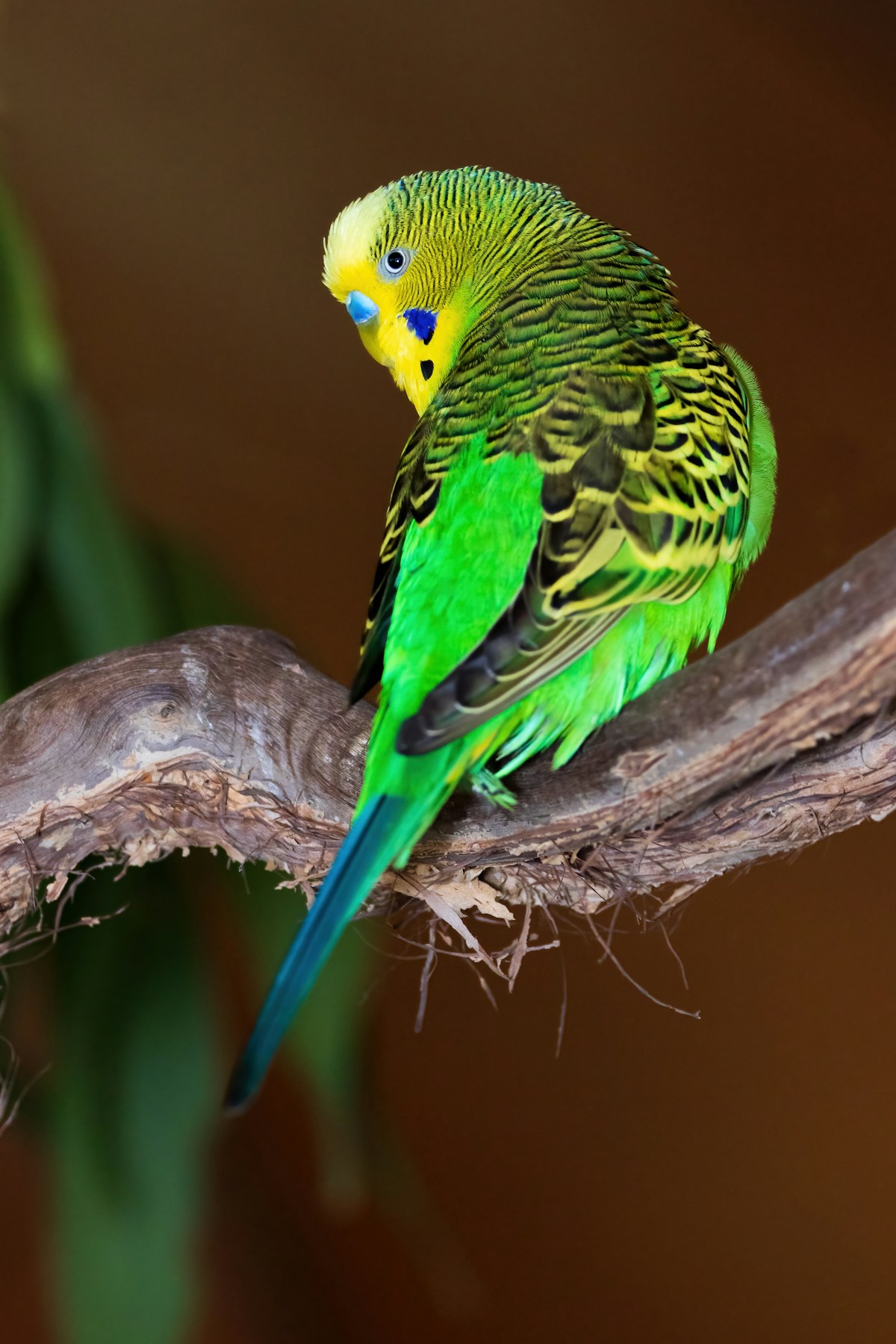
Houseplants are a wonderful addition to any home. They purify the air, add visual warmth, and create a more natural, calming atmosphere, something we embrace wholeheartedly at Lakeshore Bird Care in our Burlington boarding spaces. However, for companion bird owners, the wrong houseplant can pose a serious and sometimes fatal threat. Birds are naturally curious and will chew, nibble, and shred anything within reach, including leaves, stems, and flowers. Understanding which plants are safe and which are dangerous is a critical part of responsible bird ownership.
Why Birds and Plants Interact
In the wild, birds interact with plants constantly. They eat seeds, fruits, flowers, and foliage as part of their diet. They chew bark and branches for beak maintenance and nest building. They use plant materials for enrichment and play. This instinct does not disappear in captivity. A companion bird who spots a green leaf within reach will almost certainly investigate it with their beak, and for some species, eating plant material is an irresistible compulsion.
The challenge is that many popular houseplants contain compounds that are toxic to birds. Birds have faster metabolisms and smaller body masses than mammals, which means even small amounts of a toxic substance can cause rapid and severe poisoning. Symptoms of plant toxicity in birds can include vomiting, diarrhoea, respiratory distress, seizures, lethargy, and in severe cases, death. Because birds hide illness instinctively, by the time symptoms become visible, the poisoning may already be advanced.
Common Toxic Houseplants: Remove These Immediately
If you keep companion birds, the following plants should be removed from any room your bird can access, and ideally from your home entirely, since airborne pollen, sap drips, and fallen leaves can all present hazards even if the plant is not directly within the bird's reach.
Dieffenbachia (Dumb Cane): Extremely common in homes and offices, this plant contains calcium oxalate crystals that cause intense oral pain, swelling, and difficulty breathing if chewed. Even small amounts can cause significant distress in birds.
Philodendron: All philodendron species, including the popular heartleaf and split-leaf varieties, contain calcium oxalate and are toxic to birds. Contact with the sap can also irritate skin and eyes.
Pothos (Devil's Ivy): Another extremely popular trailing plant that contains calcium oxalate crystals. Its trailing vines make it particularly dangerous because they dangle within reach of bird cages.
Oleander: Every part of the oleander plant is highly toxic, containing cardiac glycosides that can cause heart failure in birds even in very small doses. This is one of the most dangerous plants for any household with birds.
Avocado: While avocado is most commonly known as a food, some people grow avocado plants from pits. The leaves, bark, pit, and unripe fruit all contain persin, which is toxic to birds and can cause respiratory distress, heart failure, and death.
Lilies: Many lily species, including Easter lilies, tiger lilies, and daylilies, are toxic to birds. The pollen alone can cause irritation, and ingestion of any part of the plant can lead to organ damage.
Azalea and Rhododendron: These flowering shrubs contain grayanotoxins that affect the cardiovascular and gastrointestinal systems. Even dried leaves retain their toxicity.
Foxglove: Contains cardiac glycosides similar to oleander. Ingestion can cause irregular heartbeat, seizures, and death in birds.
Yew: The seeds, needles, and bark of yew plants contain taxine alkaloids that are rapidly fatal to birds. No part of this plant is safe.
Bird-Safe Houseplants: Beautiful and Non-Toxic Options
The good news is that there are many attractive, readily available houseplants that are safe for homes with companion birds. These plants can coexist peacefully with your feathered family members, and some even provide enrichment opportunities if your bird enjoys nibbling on leaves.
Spider Plant (Chlorophytum comosum): One of the most popular and easiest-to-grow houseplants, spider plants are completely non-toxic to birds. Their dangling offshoots can even provide visual enrichment, though you may need to keep them out of reach if your bird is an aggressive chewer.
Boston Fern (Nephrolepis exaltata): A lush, beautiful fern that is safe for birds. Boston ferns also help improve indoor humidity, which benefits tropical bird species. They prefer indirect light and consistent moisture.
African Violet (Saintpaulia): These compact flowering plants are non-toxic and add a splash of colour to any room. They prefer bright indirect light and careful watering to avoid leaf rot.
Bamboo Palm (Chamaedorea seifrizii): A tall, elegant palm that is safe for birds and excellent at filtering indoor air. Bamboo palms thrive in indirect light and can grow large enough to create a natural-feeling environment in your bird's room.
Areca Palm (Dypsis lutescens): Another bird-safe palm with graceful, arching fronds. Areca palms are also rated as one of the top air-purifying plants, making them a double benefit for bird households.
Herbs: Many culinary herbs are safe for birds and can even be offered as healthy snacks. Basil, oregano, thyme, mint, dill, and cilantro are all non-toxic. Growing a small herb garden near your bird's play area provides both visual interest and occasional foraging opportunities.
Hibiscus: Both the flowers and leaves of hibiscus are safe for birds. Many parrot species enjoy eating hibiscus flowers, which are rich in vitamin C and antioxidants. If you grow hibiscus indoors, your bird may appreciate having fresh flowers offered as a treat.
Calathea: These striking foliage plants with their patterned leaves are non-toxic to birds. They prefer indirect light and higher humidity, making them a good match for rooms where tropical birds are kept.
Best Practices for Managing Plants and Birds Together
Even with bird-safe plants, it is wise to follow some general guidelines. Place plants where your bird cannot reach them during out-of-cage time unless you are comfortable with your bird nibbling on them. Avoid using chemical fertilizers, pesticides, or fungicides on any plant in a room where your bird spends time, as residue on leaves can be toxic. Opt for organic fertilizers and hand-remove pests when possible.
If you are unsure whether a specific plant is safe, err on the side of caution and remove it. The ASPCA maintains a comprehensive list of toxic and non-toxic plants that can serve as a reference, but always cross-check with avian-specific resources, as some plants that are safe for dogs and cats may still be harmful to birds.
At Lakeshore Bird Care, we use live plants in our boarding spaces to create a calm, natural environment. Every plant is carefully selected from our approved bird-safe list, and we use only organic soil and natural pest management. We believe that creating a green, nature-forward space benefits both the birds and the humans who care for them, and we encourage Burlington bird owners to do the same in their homes.
By choosing your houseplants carefully and staying informed about potential hazards, you can enjoy the beauty and air-quality benefits of indoor greenery while keeping your feathered companion completely safe.