In the wild, birds spend between 60 and 80 percent of their waking hours foraging for food. They search, probe, manipulate, crack, peel, and problem-solve their way through each meal, engaging their minds and bodies in a continuous cycle of effort and reward. In captivity, where food is typically presented in a bowl and available instantly, this critical behavioural need goes largely unmet, and the consequences can be significant: boredom, feather-destructive behaviour, excessive screaming, aggression, and even depression.
At Lakeshore Bird Care, foraging enrichment is a cornerstone of our daily care program. We design foraging setups tailored to each bird's species, size, physical ability, and experience level. Here, we share the principles and practical ideas that guide our enrichment philosophy, so Burlington bird owners can bring these same benefits into their homes.
Why Foraging Matters
Foraging is not merely about food. It is about the process of working for sustenance, which engages a bird's problem-solving abilities, motor skills, and natural curiosity. When a bird successfully extracts a seed from a puzzle or discovers a hidden treat beneath a layer of shredded paper, the brain releases dopamine, the same neurotransmitter associated with pleasure and motivation in humans. This positive feedback loop reinforces the bird's confidence, reduces stress, and provides a constructive outlet for the energy that might otherwise manifest as destructive behaviour.
Research in avian behaviour has consistently shown that birds given foraging opportunities display fewer signs of stress, engage in less feather-destructive behaviour, and show more varied and naturalistic activity patterns compared to birds whose food is freely available in a bowl. The science is clear: foraging enrichment is not a luxury. It is a fundamental welfare requirement.
Starting Simple: Beginner Foraging Ideas
If your bird has never encountered foraging challenges before, start with easy wins. The goal is to build confidence and create positive associations with the idea that food requires a little work to obtain. Begin by placing food in a shallow dish covered with a single layer of crumpled paper. Your bird can see and smell the food through the paper and only needs to push it aside. Once they consistently engage with this setup, gradually add more layers of paper, making the food slightly harder to access.
Another excellent beginner technique is skewering pieces of fruit and vegetables on a stainless-steel kabob hung inside the cage. The bird must manipulate the food from a swinging, unstable platform, which mimics the natural challenge of feeding from a branch in the wind. Leafy greens threaded through cage bars also create a simple foraging opportunity that encourages birds to pull, tear, and manipulate vegetation, closely resembling wild feeding behaviour.
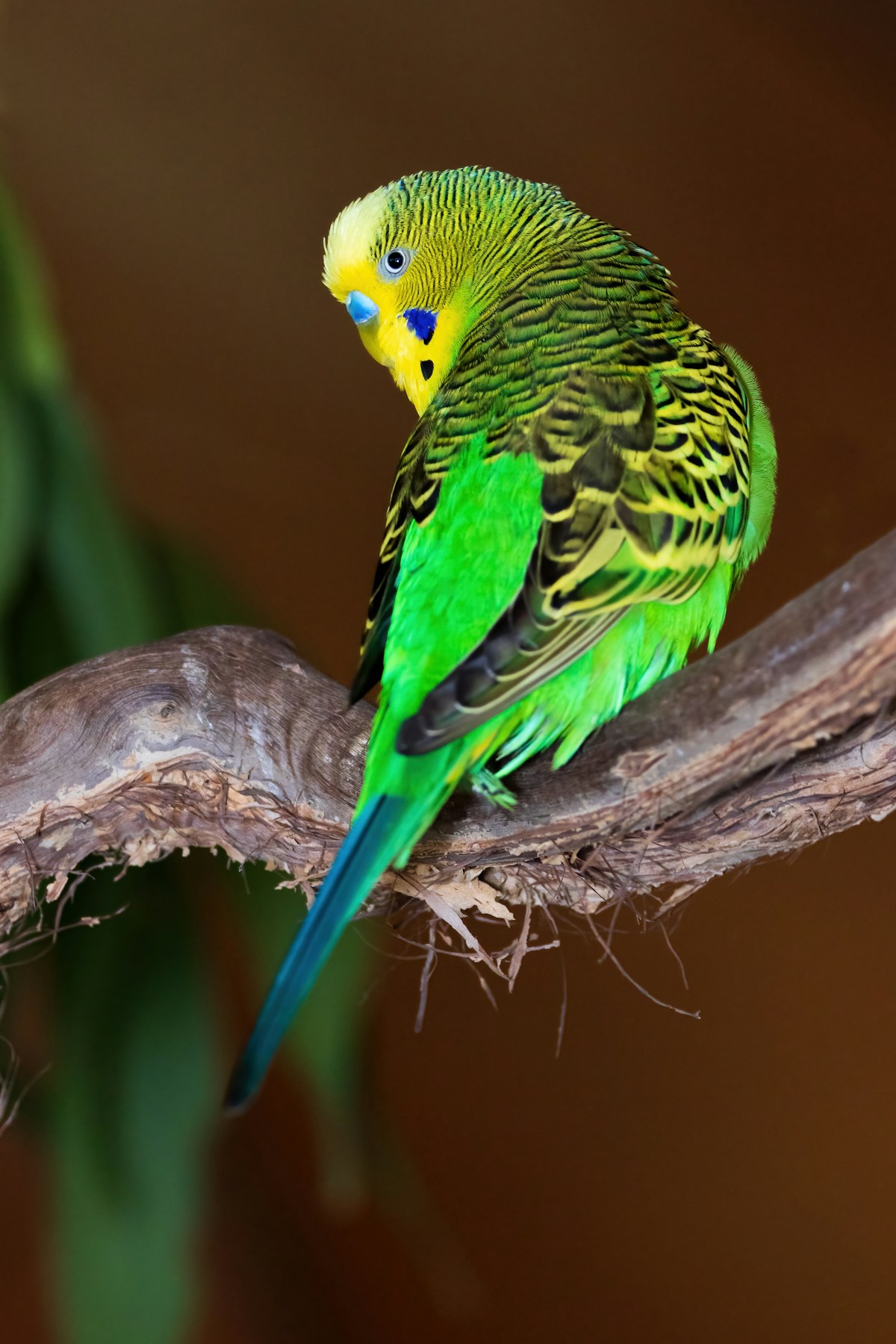
For ground-foraging species like budgies and cockatiels, scatter a mix of seeds across a tray filled with clean, sterilized river pebbles or wooden beads. The bird must push the pebbles aside to find the seeds, engaging their natural ground-foraging instincts. Ensure all materials are bird-safe and too large to be swallowed.
Intermediate Foraging: Building Complexity
Once your bird is confidently engaging with beginner setups, introduce more complex challenges. Paper cup foraging is a versatile intermediate technique. Place treats inside small paper cups and fold the tops closed. You can also nest smaller cups inside larger ones, creating a layered puzzle. Birds must tear through the paper to access the reward, which is satisfying and enriching. Use only plain, unprinted, dye-free paper to ensure safety.
Cardboard tubes from paper towel or toilet paper rolls make excellent foraging tools. Fill a tube with a mixture of food and shredded paper, then fold the ends closed. Hang it from the cage ceiling or place it on the cage floor. Your bird must tear open the tube and sift through the filler to find the food. For larger birds like cockatoos and macaws, use thicker cardboard or layer multiple tubes together for a more robust challenge.
Foraging boxes take this concept further. Use a shallow cardboard box filled with bird-safe shredded paper, wooden blocks, wicker balls, and hidden treats. Let your bird rummage through the box, tossing materials aside to discover food rewards. This mimics the leaf-litter foraging that many parrot species perform in the wild and is particularly effective for species like conures and Amazons who are naturally curious and destructive in a constructive way.
Advanced Foraging: Puzzle Toys and Multi-Step Challenges
For birds who have mastered intermediate foraging, commercial and homemade puzzle toys offer advanced challenges. Acrylic foraging wheels and drawers require birds to turn, slide, or lift components to access food. These toys engage problem-solving skills and can keep an intelligent bird occupied for extended periods. African Greys and cockatoos, in particular, excel at these types of challenges and often figure out new puzzle mechanisms remarkably quickly.
Multi-step foraging setups involve chaining several simple actions together. For example, a bird might need to untie a leather knot to release a small basket, then open the basket lid to reveal a paper-wrapped treat, then tear through the paper to reach the food. Each step requires a different skill, and the cumulative challenge is deeply satisfying for cognitively advanced species. At Lakeshore Bird Care, we design custom multi-step stations for our extended-stay guests, adjusting the difficulty as they master each level.
Wraparound foraging involves wrapping treats in layers of different materials: first a leaf of lettuce, then paper, then a woven palm mat, then placed inside a small basket. Each layer requires a different manipulation technique, providing variety within a single foraging session. Natural materials like palm leaves, coconut shell, untreated willow, and banana leaf are excellent wrapping choices that also provide textural enrichment.
Species-Specific Considerations
Not all birds forage the same way. Understanding your bird's natural foraging style helps you design setups that align with their instincts. Macaws and cockatoos are powerful chewers and destroyers. They need robust materials and enjoy the physical challenge of cracking open hard-shelled treats. Offer them whole unshelled nuts like almonds and walnuts placed inside destructible containers.
African Greys are methodical and patient problem-solvers. They prefer puzzles that require manipulation and sequential logic rather than brute force. Acrylic puzzle feeders with sliding panels and rotating compartments are ideal for Greys.
Cockatiels and budgies are primarily ground foragers in the wild. Floor-level foraging trays, scatter feeding, and grass-mat foraging patches align with their natural behaviour. These smaller species can also benefit from hanging foraging toys placed at mid-cage height, but they often prefer floor-level challenges.
Conures are active and playful. They enjoy foraging that involves movement, such as swinging kabobs, hanging baskets, and toys that spin or sway. Combine food rewards with physical challenge for the best results with conures.
Safety Guidelines for All Foraging Setups
Safety must always come first. Never use materials that could be toxic, such as printed paper, painted wood, or chemically treated fibres. Avoid small parts that could be swallowed and cause obstruction. Supervise your bird during their first interaction with any new foraging toy to ensure they engage safely. Inspect all foraging materials daily and remove anything that has become frayed, splintered, or reduced to a swallowable size. And always ensure that foraging challenges supplement, not replace, your bird's primary diet. The food inside foraging toys should be part of their daily nutritional intake, not an excess that leads to overconsumption.
By incorporating foraging enrichment into your bird's daily routine, you provide a constructive outlet for their intelligence and energy, reduce the risk of behavioural problems, and deepen the bond between you and your feathered companion. Start simple, build gradually, and enjoy watching your bird's confidence and creativity flourish.